Small vise restoration
Over the last few days I restored a small bench vise that my father-in-law brought with him during his visit.
Over the last few days I restored a small bench vise that my father-in-law brought with him during his visit. The vise originally belonged to his father and has now been passed on to my son, so it felt worth giving it a careful second life in our workshop.
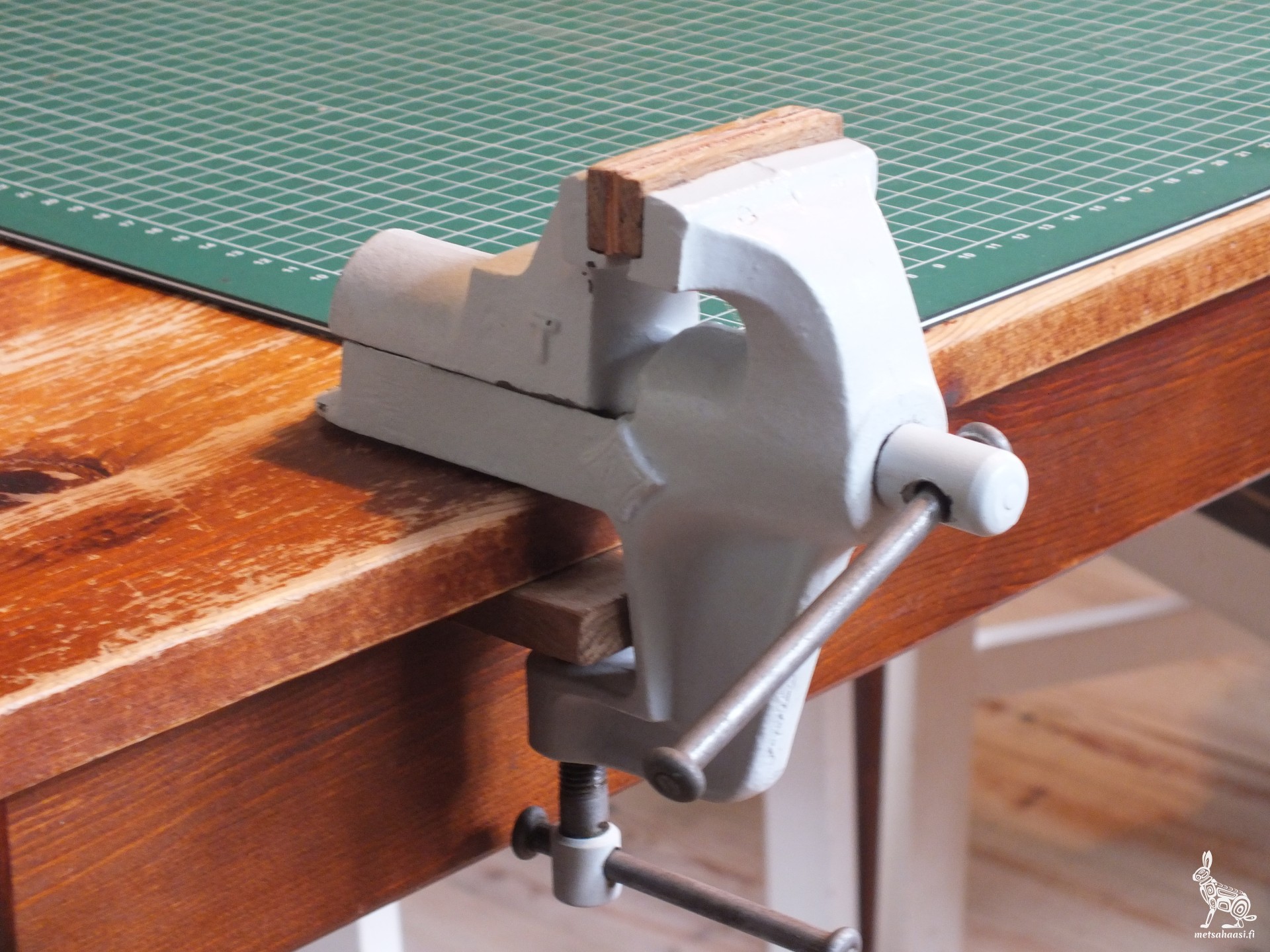
The vise is quite small, which is exactly what makes it useful. Our larger vise is excellent when something needs to be held with authority, but this little one leaves much more room around the workpiece. That makes it ideal for delicate jobs such as sharpening scissors, holding thin blades, small fittings, or other parts where access matters more than brute clamping force.
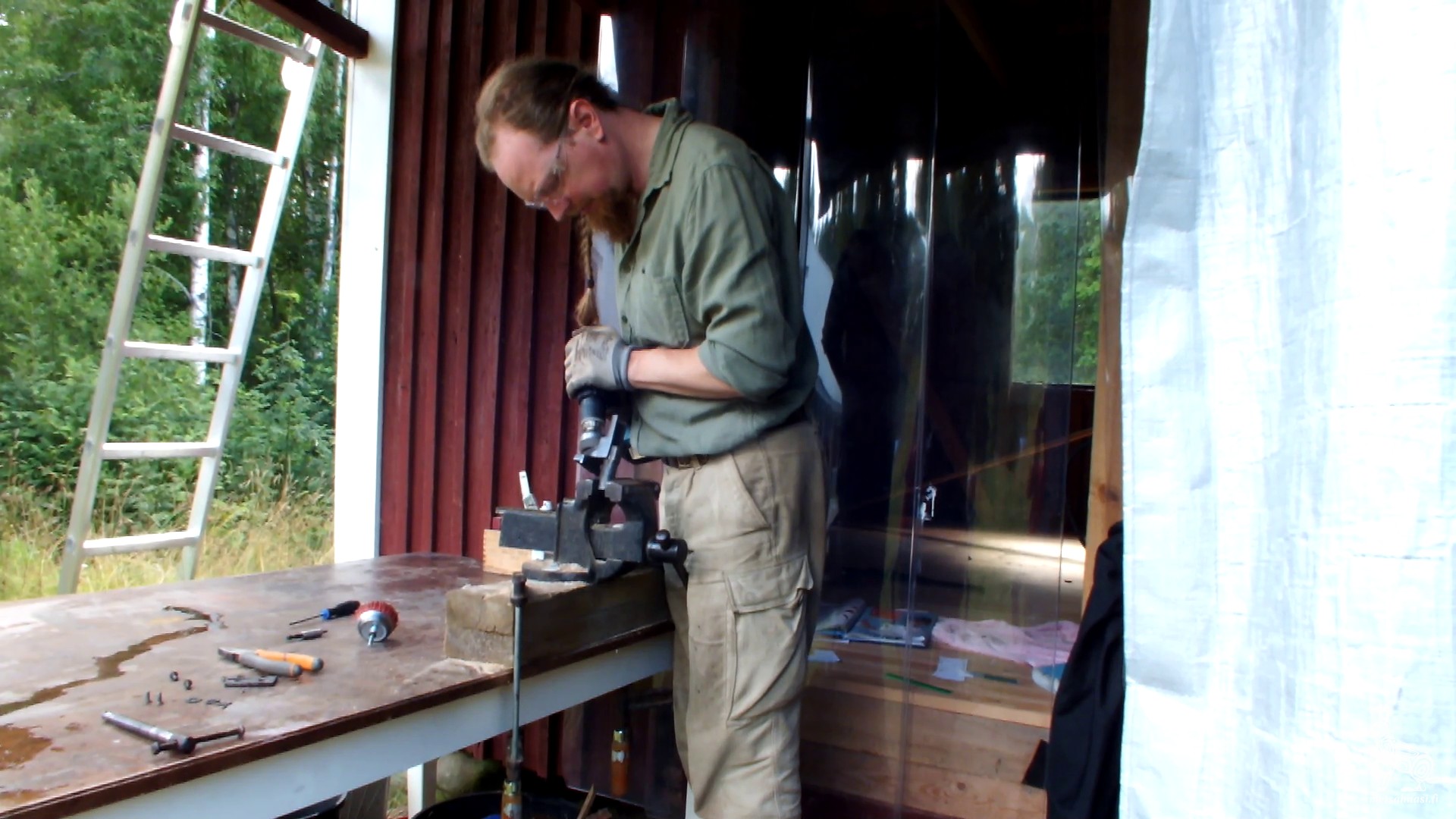
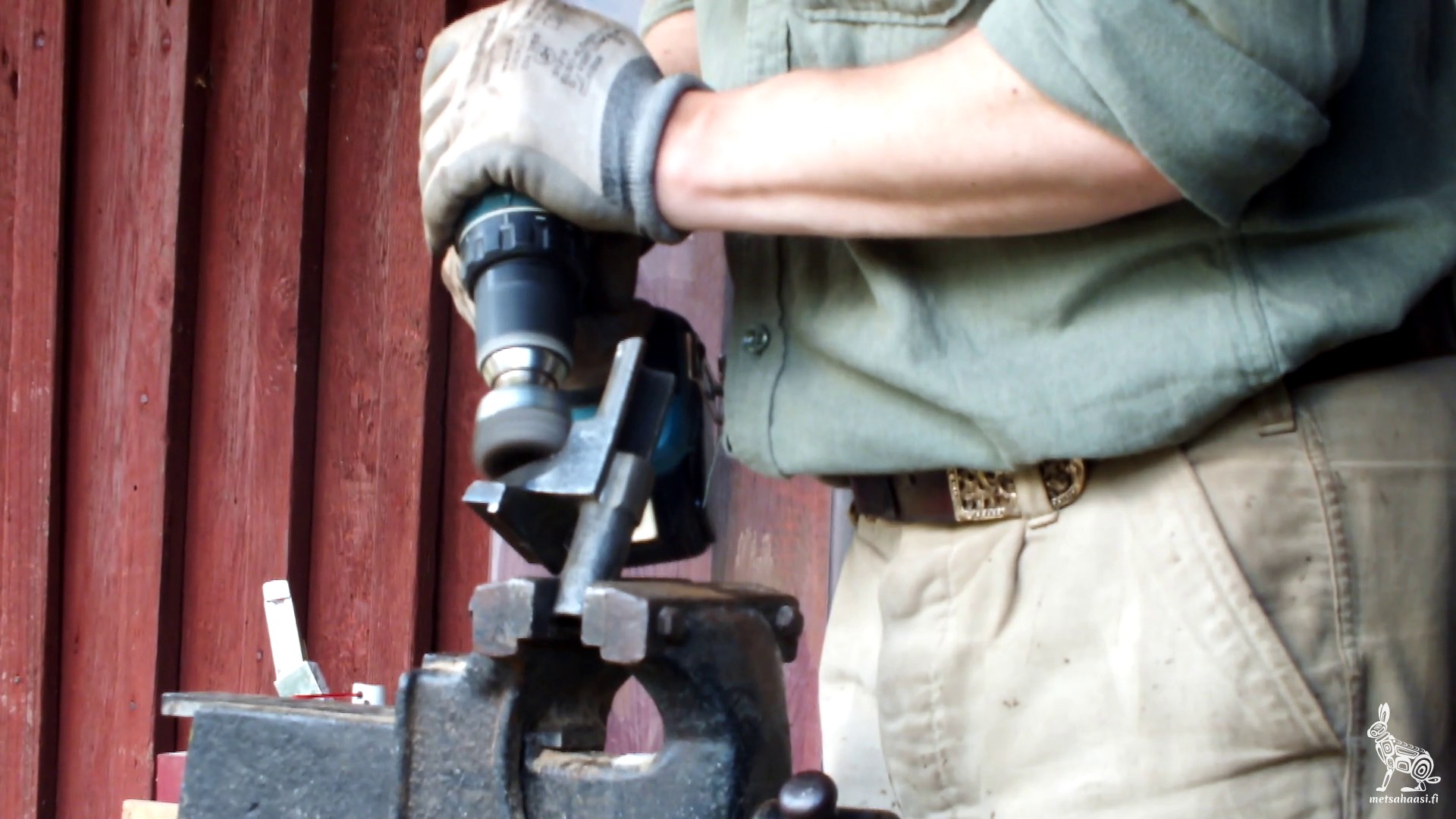
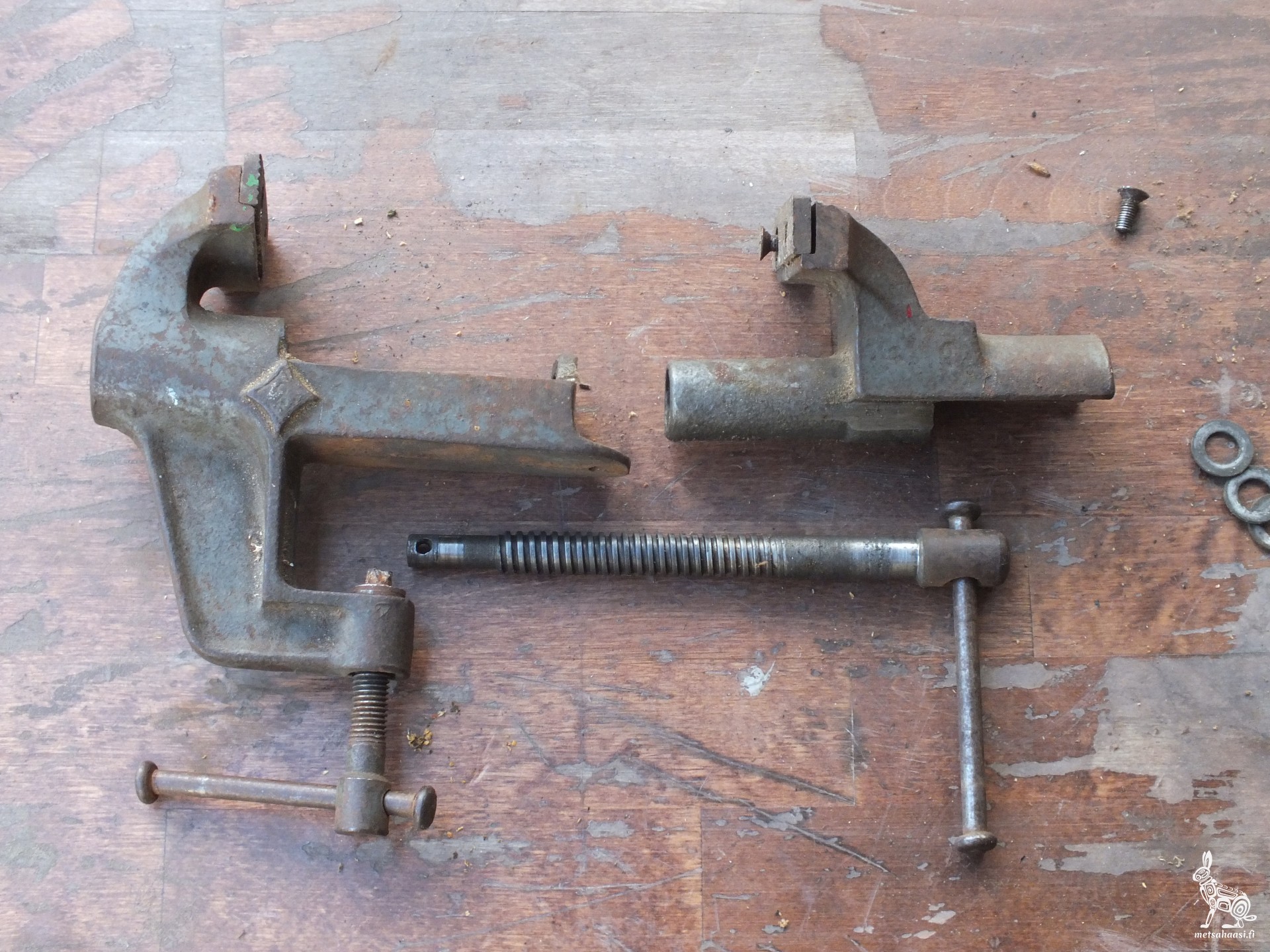
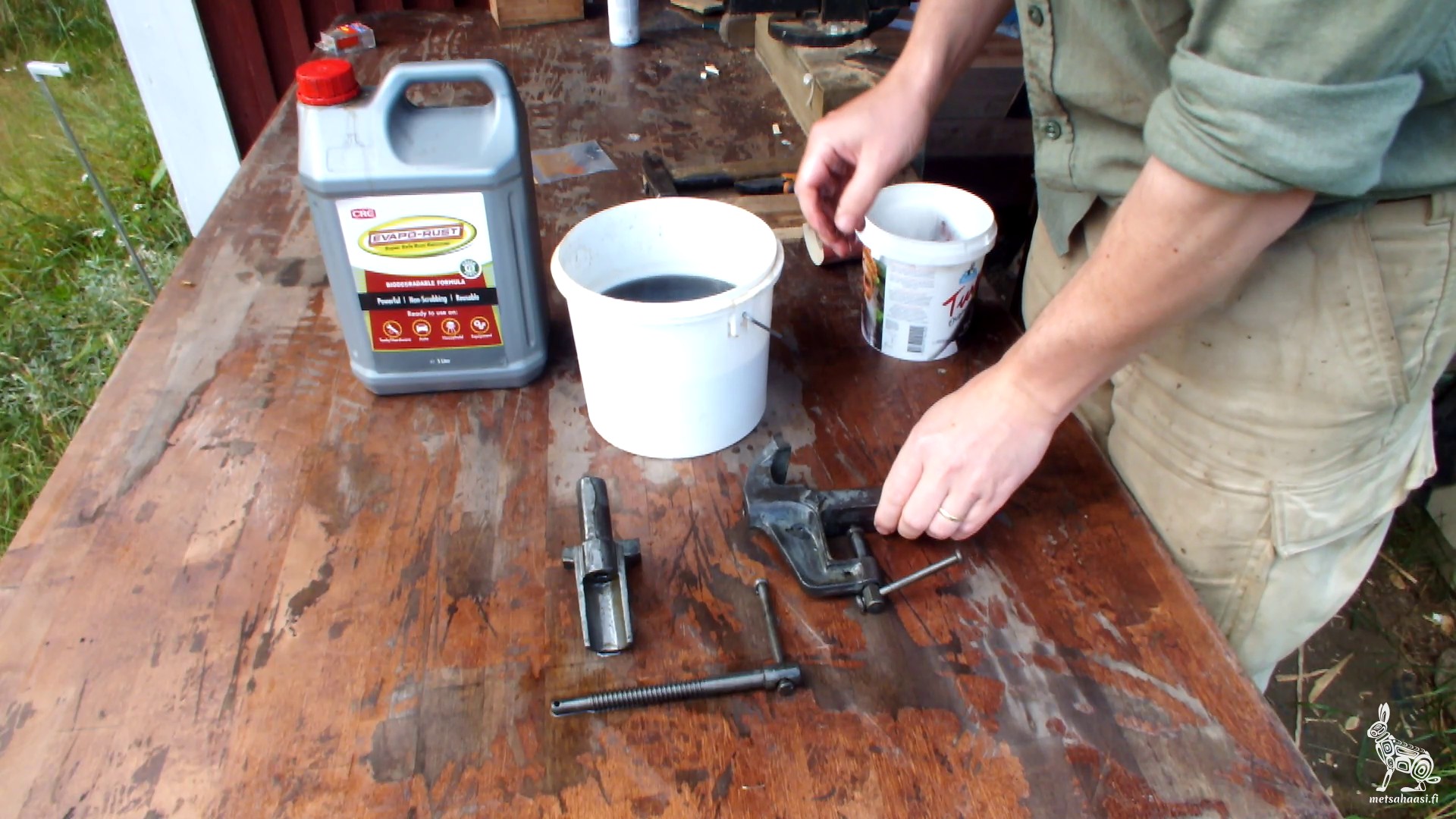
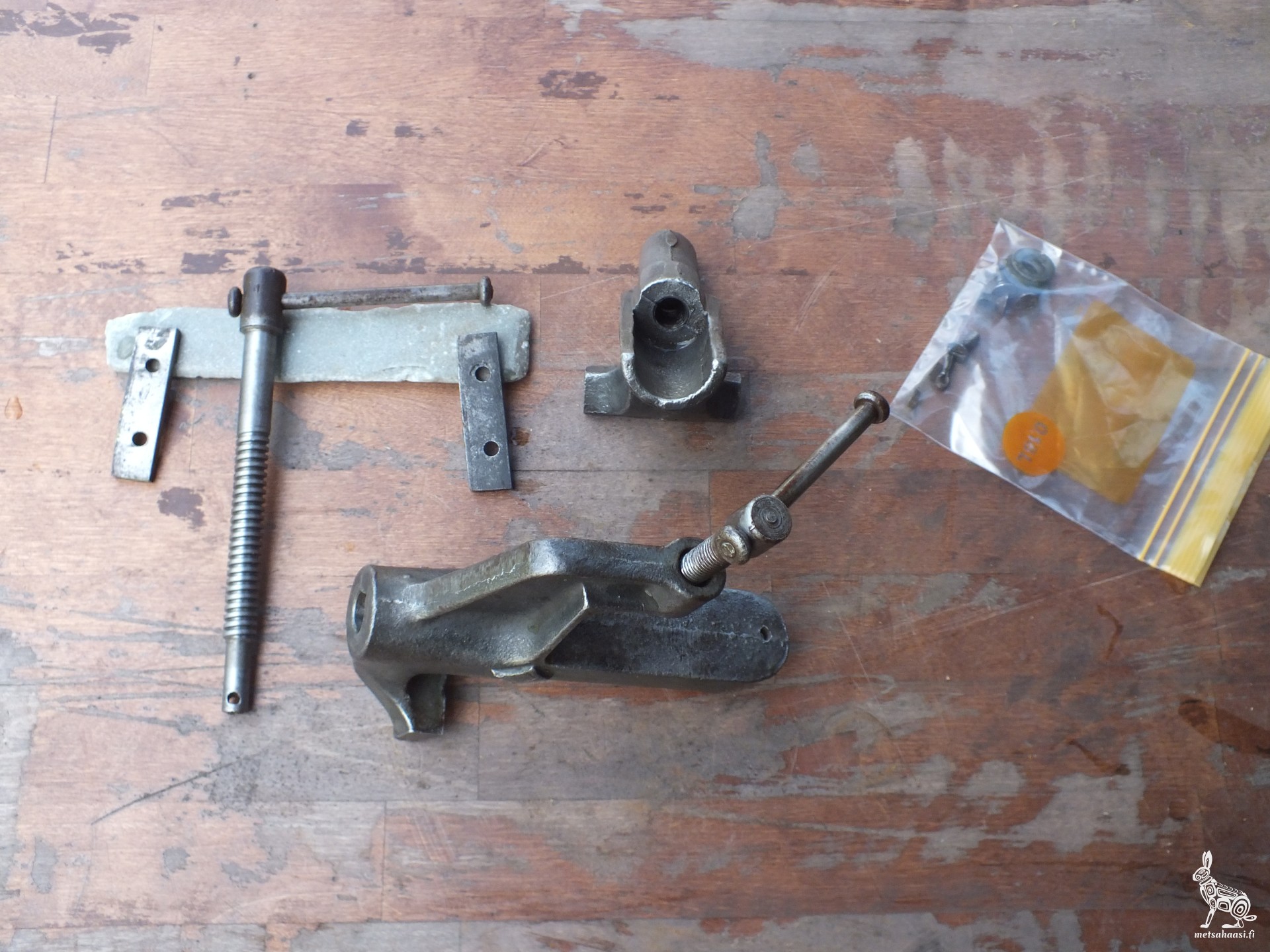
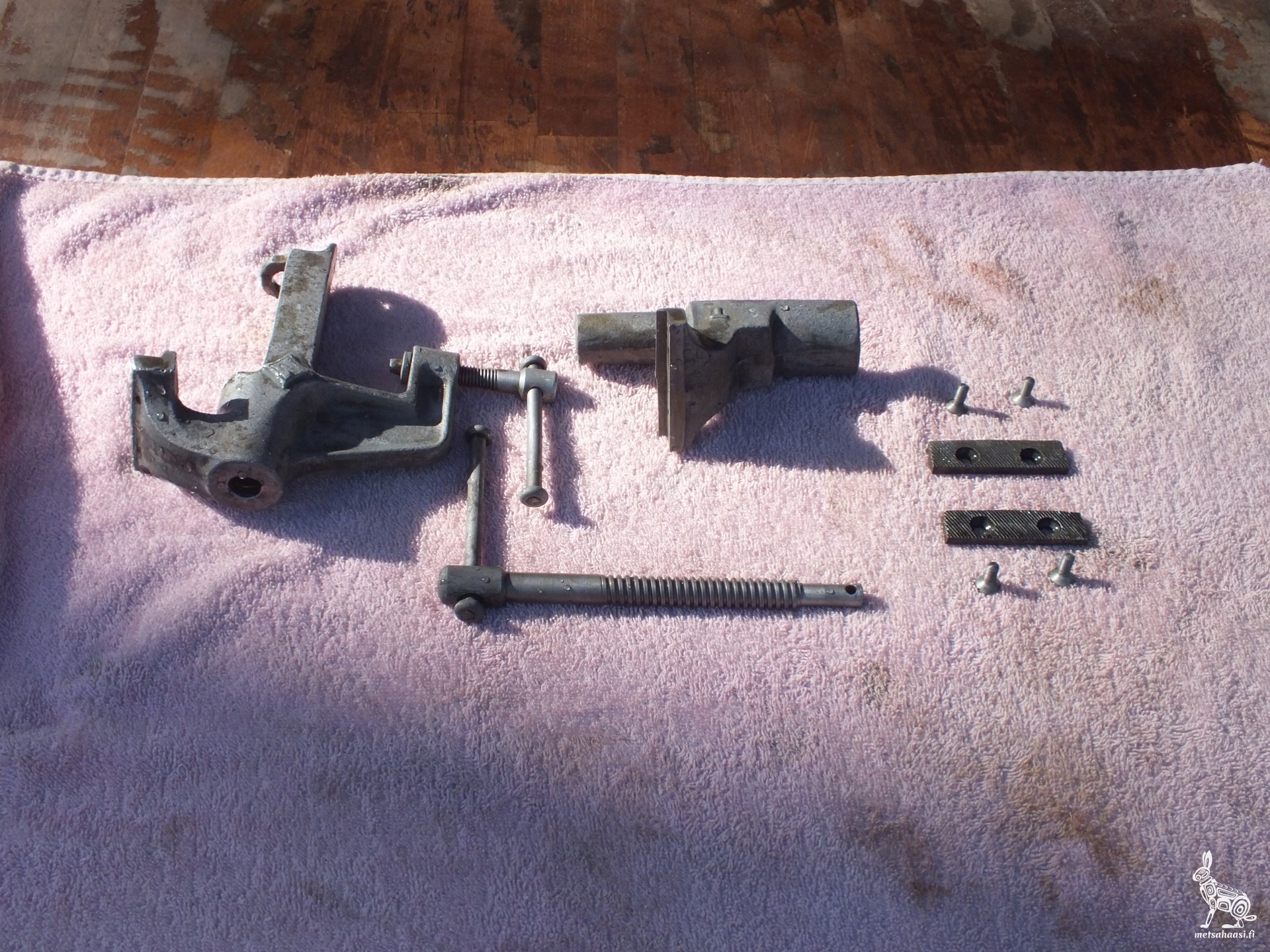
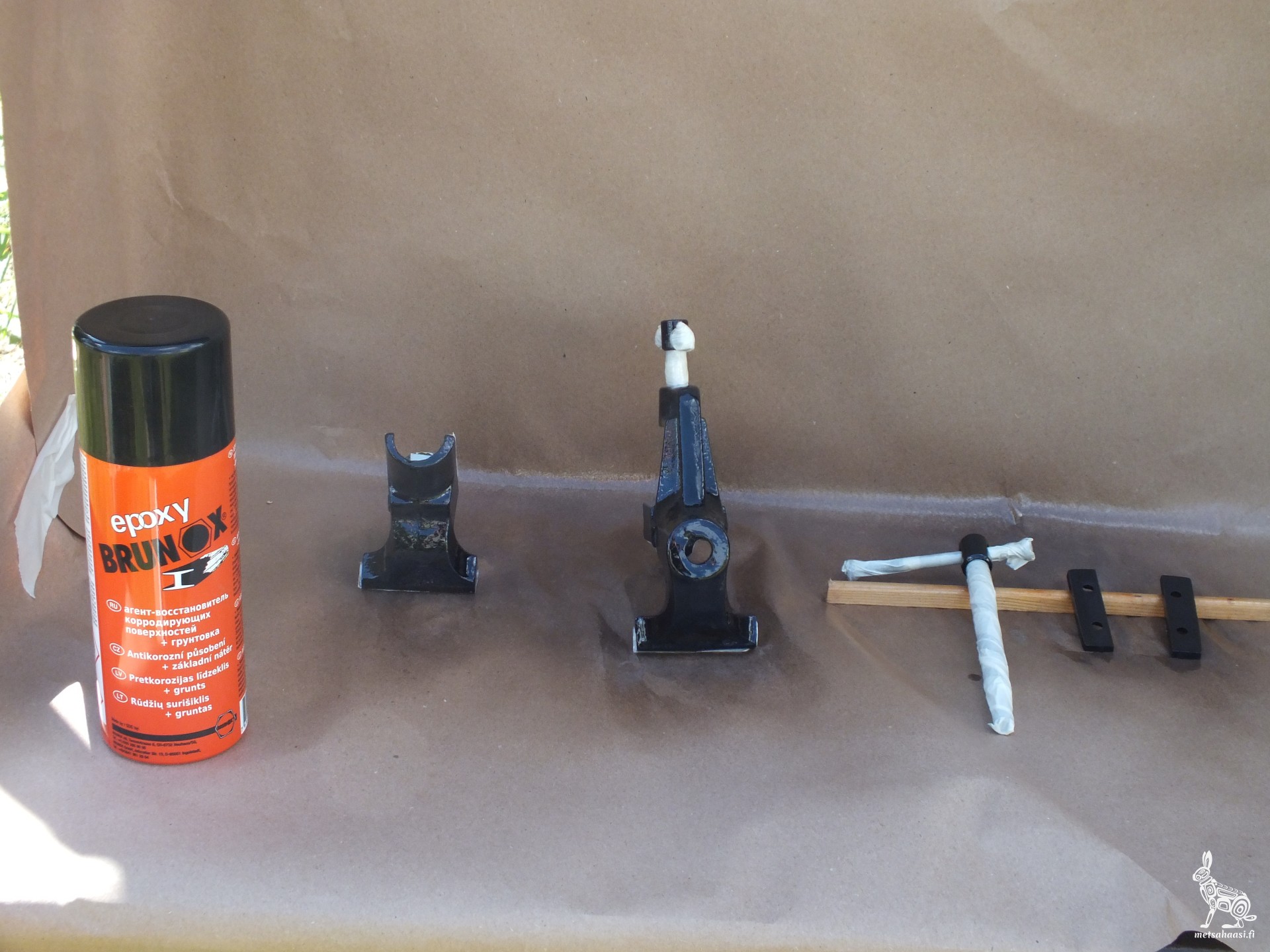
The restoration itself was straightforward but thorough. I first cleaned the vise with warm soapy water, then removed rust and loose surface material with a wire wheel. After another cleaning it went into an Evapo-Rust bath, followed by a final wash in warm soapy water and drying in the sun.
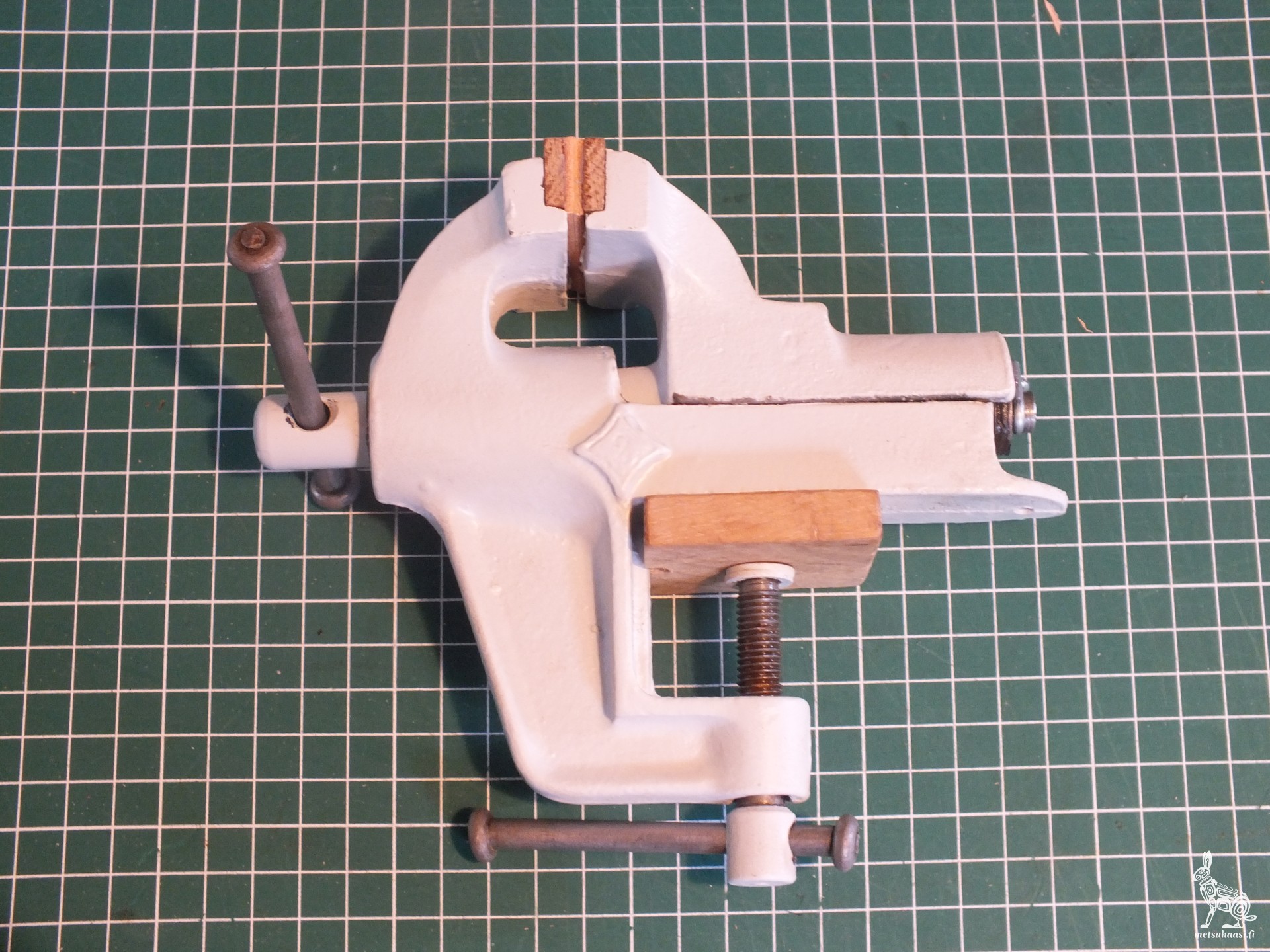
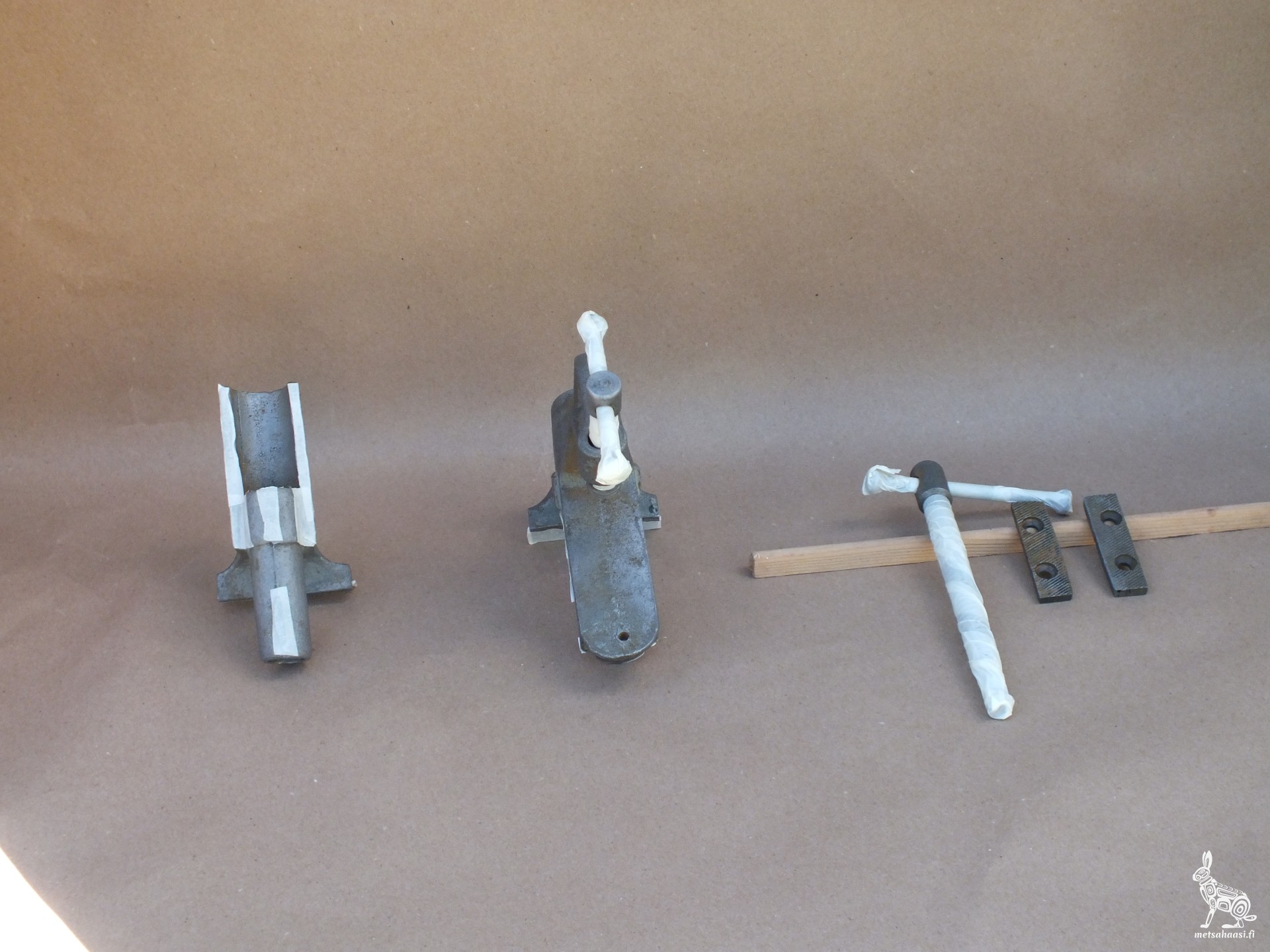
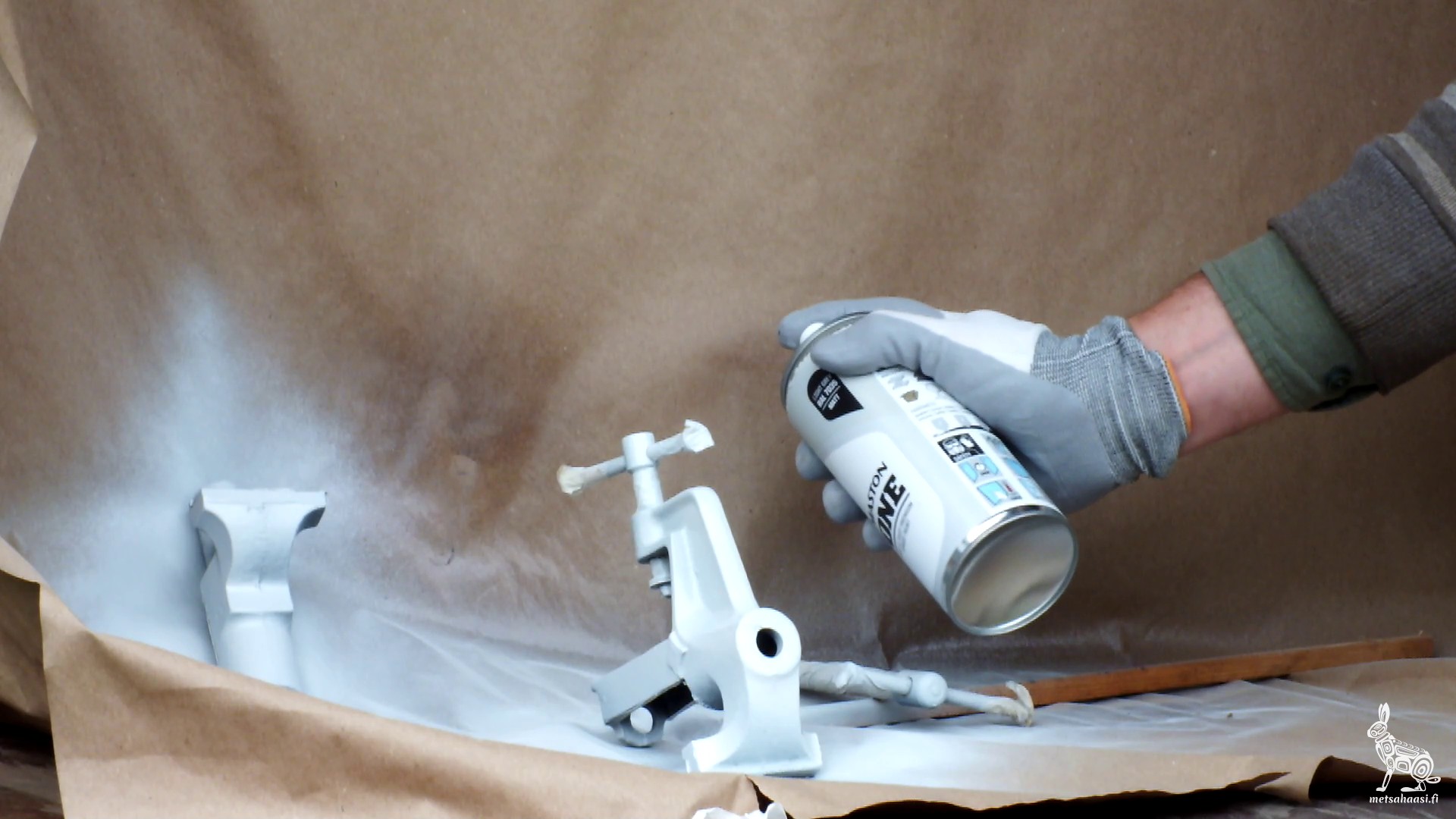
For the finish I chose a matte light grey paint. I considered leaving the vise in bare metal with an oil finish, but for a working tool the painted surface should be easier to maintain. The light colour also has a practical advantage: it reflects some light back toward the workpiece, which is useful when working on small parts or sharpening edges.
The biggest functional change was replacing the original steel jaw plates with softer jaws. I made new jaw inserts from leftover oak, screwed them to the vise, and then glued vegetable-tanned leather over the faces. The leather also covers the screw heads, leaving a completely soft and uninterrupted clamping surface. If the jaws ever need replacing, the leather can simply be removed and the wooden inserts unscrewed.
The result is now a dedicated little vise for gentle work. It will not replace the larger bench vise, and that was never the intention. Instead, it now has its own role in the workshop: gentle grip, good access, and enough holding force for precise work without damaging the piece.
A small restoration, but a particularly satisfying one. An old tool from one generation has found a new place in the workshop of the next.